Stuck in the Swamp: How to Finally Modernize a Deployment Pipeline That's Holding Your Team Back
There's a particular kind of pain that every mid-size engineering team knows intimately. It's not a crash, not a critical outage — it's the slow, grinding realization that deploying software has somehow become the hardest part of building software. Your CI/CD pipeline, once a source of pride, now feels like a bog. Every release is a negotiation. Every hotfix is a gamble.
We call this the swamp problem. And if you're nodding along right now, you're not alone.
How Good Pipelines Go Bad
Deployment pipelines rarely collapse all at once. They degrade the same way a pond turns into a swamp — gradually, almost imperceptibly, until one day you look around and nothing moves the way it used to.
The culprit is almost always incremental decision-making. A team adds a manual approval gate after a bad deploy. Someone wires in a legacy test suite that takes forty-five minutes to run. A compliance requirement lands, gets bolted on mid-pipeline, and nobody revisits it. Each individual decision made total sense at the time. Stitched together over eighteen months, they've turned your release process into something nobody fully understands anymore.
According to the 2023 State of DevOps Report from Google Cloud, teams with low deployment frequency are nearly twice as likely to report high change failure rates. That's the cruel irony of the swamp: the slower and more cautious your pipeline becomes, the riskier your releases get. You're not being careful. You're just accumulating debt.
The Bottlenecks Nobody Talks About
Ask an engineering manager where their pipeline slows down, and they'll usually point to the obvious suspects — flaky tests, slow build times, infrastructure provisioning. Those are real. But the stickiest bottlenecks are often human, not technical.
The approval ritual. Many teams have layered in manual sign-offs that made sense during a compliance audit years ago and have never been revisited. One fintech startup we spoke with required three separate Slack approvals before any production deploy — including one from a VP who hadn't written code since 2017. Nobody wanted to be the person who removed that gate, so it stayed.
The tribal knowledge trap. When only two engineers truly understand how the pipeline is configured, every change becomes a high-stakes event. Deployments get scheduled around those people's calendars. Vacations become release freezes. Knowledge silos are invisible bottlenecks with massive impact.
Fear of the unknown diff. Long-lived feature branches are a pipeline killer. The longer a branch sits, the scarier the merge becomes, and the more likely a team is to schedule a "big deploy weekend" — which is exactly the kind of high-risk, low-frequency release pattern that causes incidents.
Why Teams Resist Fixing This
Here's the uncomfortable truth: most teams know their pipeline is a problem. They just can't get traction on fixing it.
Part of it is prioritization. Modernizing a pipeline doesn't ship a feature. It doesn't close a ticket. It doesn't move a metric that shows up on a product roadmap slide. So it gets bumped, quarter after quarter, in favor of work that feels more visible.
Part of it is risk aversion. Changing a pipeline that's "working" — even poorly — feels dangerous. What if the new setup breaks a deploy? What if the automated gate misses something the manual review would have caught? These are legitimate fears, but they're fears that compound over time. The longer you wait, the more complex the existing system becomes, and the more daunting the migration looks.
And part of it, honestly, is identity. Some teams have been running the same Jenkins setup since 2016, and there's a weird pride in that continuity. Letting go feels like admitting something went wrong.
What a Real Leap Forward Looks Like
A regional e-commerce company based in the Midwest — roughly 80 engineers, $40M in annual revenue — was deploying to production twice a month. Their pipeline included a 55-minute test suite, four manual approvals, and a deploy script that lived on one senior engineer's laptop. Sound familiar?
They didn't try to fix everything at once. Instead, they ran a two-week audit to map every step in their current pipeline, including who touched what and why. They found eleven steps that existed purely out of habit. They eliminated seven of them immediately.
From there, they parallelized their test suite (cutting runtime to under twelve minutes), moved approvals into automated policy checks using Open Policy Agent, and containerized their build environment so deploys no longer depended on any individual's machine. Within one quarter, they were shipping to production multiple times per week. Incidents didn't increase. They dropped.
The key wasn't a massive overhaul. It was a deliberate, documented leap — one that the whole team understood and owned.
Practical First Steps If You're Stuck
You don't need to blow up what you have. You need to see it clearly first.
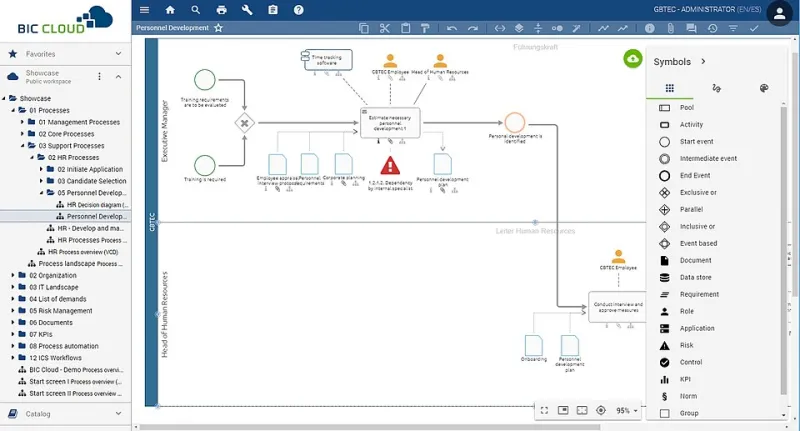
Map before you modernize. Visualize every step in your current pipeline, including the informal ones. Who approves what? What triggers what? Where do engineers actually spend their time waiting? You can't drain a swamp you haven't mapped.
Measure deploy frequency and change failure rate. These two metrics, borrowed from the DORA framework, will tell you more about your pipeline health than any tool audit. If you're deploying less than once a week and your failure rate is above 15%, you have a swamp problem.
Attack wait time, not just runtime. Most pipeline optimization focuses on making builds faster. But the biggest gains often come from reducing the time a build sits idle waiting for a human, a resource, or a downstream system. Async wait time is the hidden killer.
Ship the pipeline like a product. Assign ownership. Create a small internal working group. Give them a quarter and a mandate. Treat pipeline improvements like features — with acceptance criteria, retrospectives, and visibility to leadership.
The Pond Was Never the Destination
Here's the thing about swamps: they form when water stops moving. The same is true for deployment pipelines. The teams that stay stuck aren't necessarily less talented or less resourced — they've just let momentum stall.
Modernizing your pipeline isn't about chasing the latest DevOps trend or copying what Stripe does. It's about making the act of shipping software feel like progress again. Fast, reliable, low-drama deploys aren't a luxury. They're the foundation everything else is built on.
So take the leap. The other side of the swamp is a lot cleaner than you think.